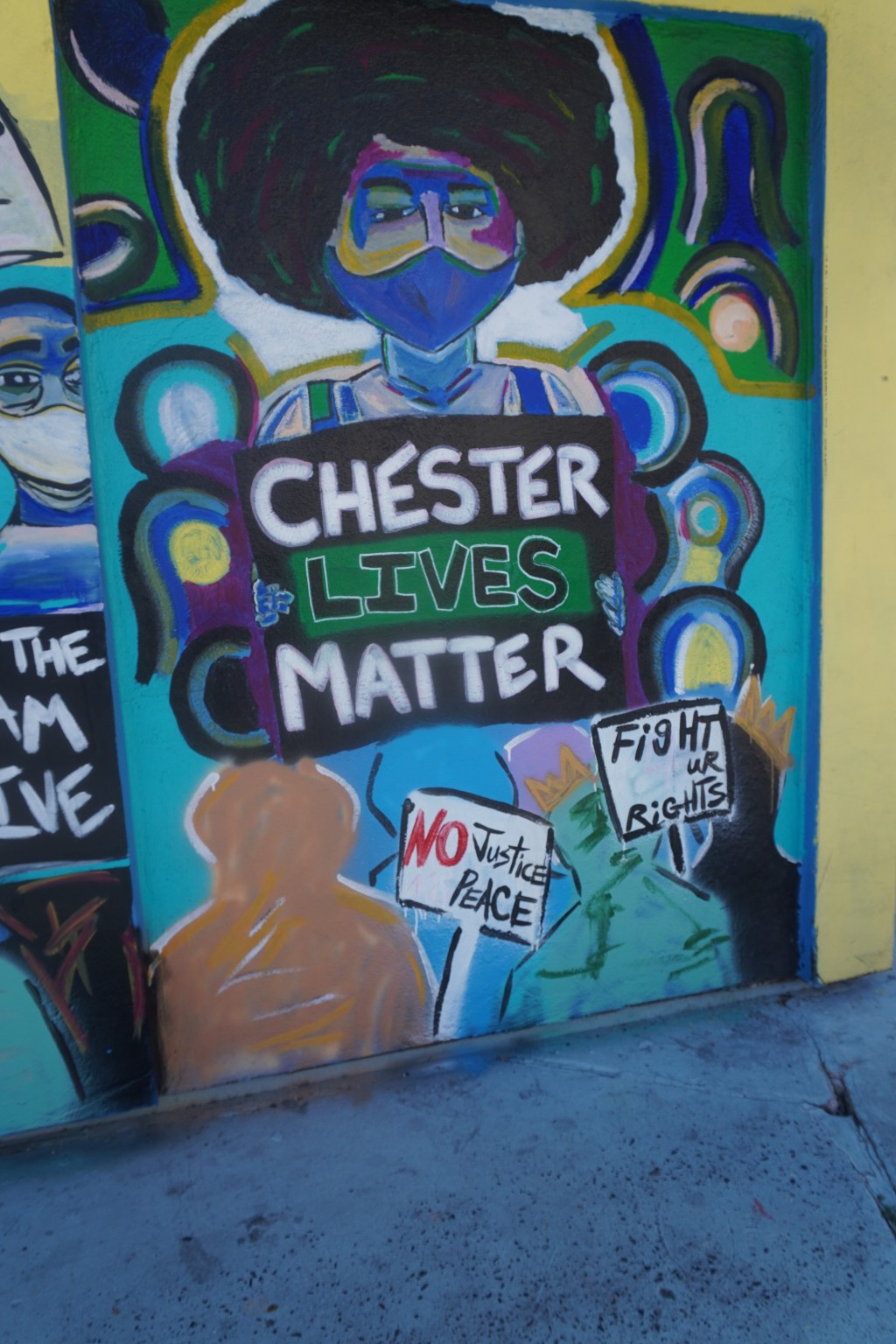
Podcast with Paul and Zack from the Delaware County Historical Society
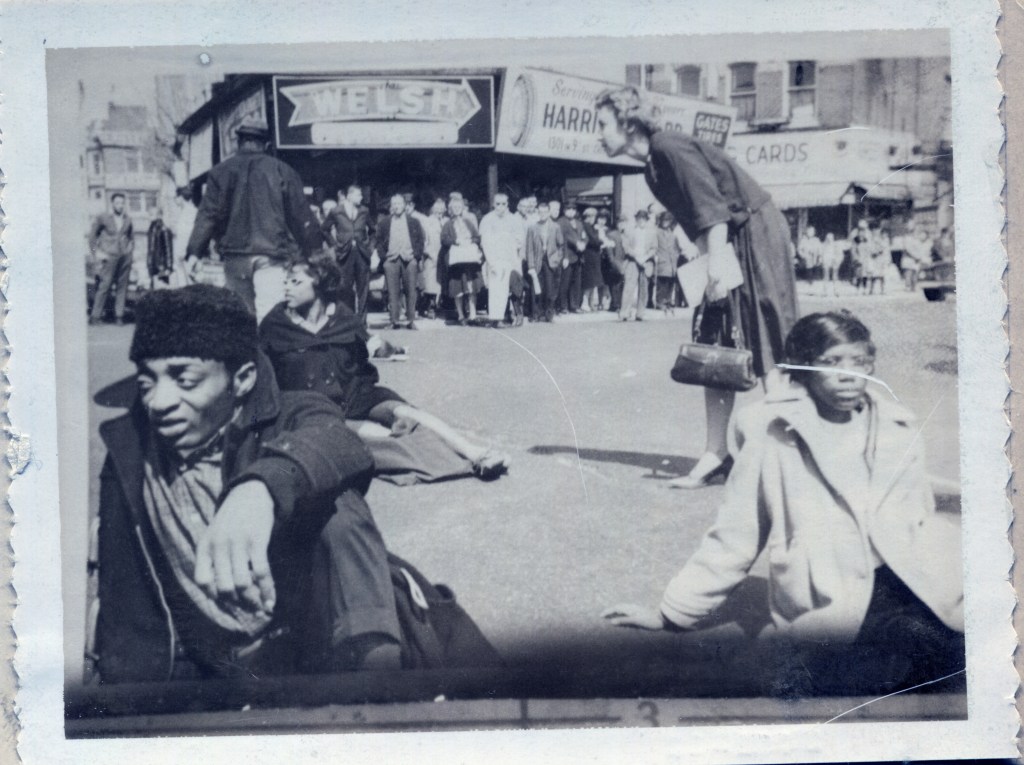
Photo courtesy of the Delaware County Historical Society.
Recently, I shared a post on Facebook ( which has now been removed for some reason) where members of the Chester community were questioning what the former Chester News Stand was used for. I remember the Chester News Stand from my grandparents, they loved getting their lottery tickets and convenience needs. But for some, it was the protesting grounds where families fought for the end of de-facto segregation in our education systems.
The Chester school protests took place from November 1963 through April 1964, when families and community organizers challenged unequal conditions in the city’s public schools. Franklin School was one of the schools at the center of the conflict. During a visit to the Delaware County Historical Society, Director Paul Hewes and his colleague Zack discussed the conditions that pushed families to speak out. As they explained in the interview, children were being taught in the school’s basement, including in former coal-bin areas, and families had reached a breaking point. Their account adds local context to the history behind the demonstrations.
According to Swarthmore College’s Civil Rights 1960–1966 archive, the conditions at Franklin School helped fuel local organizing. Stanley Branche became a leading organizer and helped lead the Chester Committee for Freedom Now (CCFN).
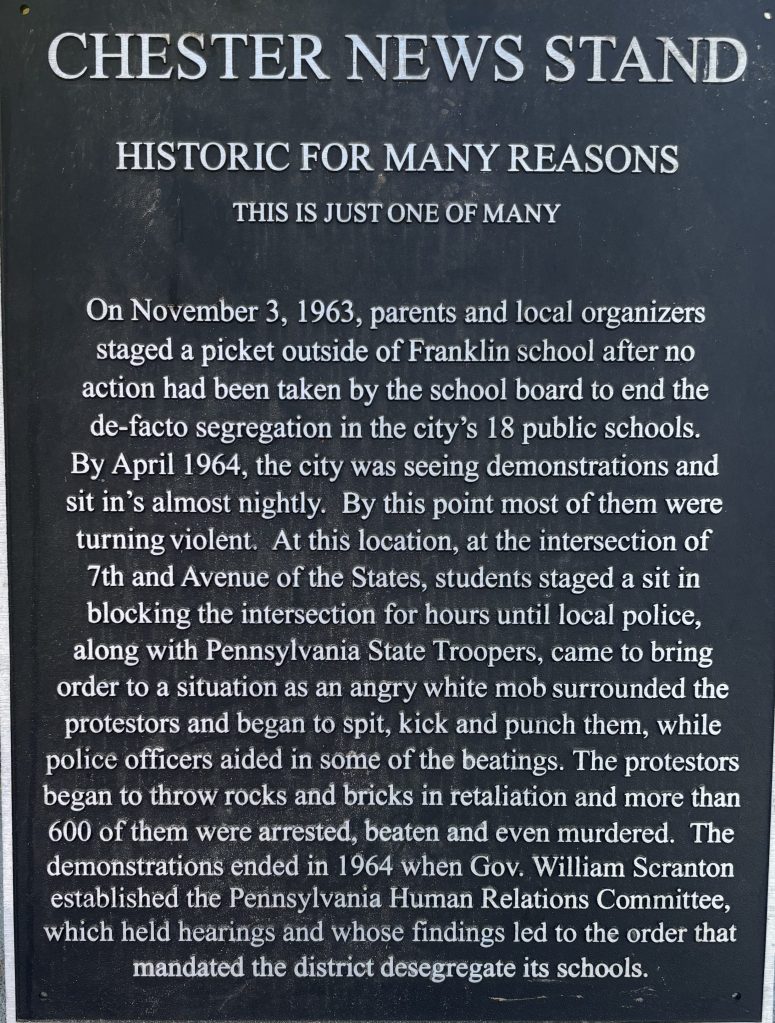
On November 4, 1963, parents, CCFN organizers, and college students began picketing Franklin School. The demonstrations grew as people demanded better conditions and fair treatment for Black students. The protests later continued into spring 1964.
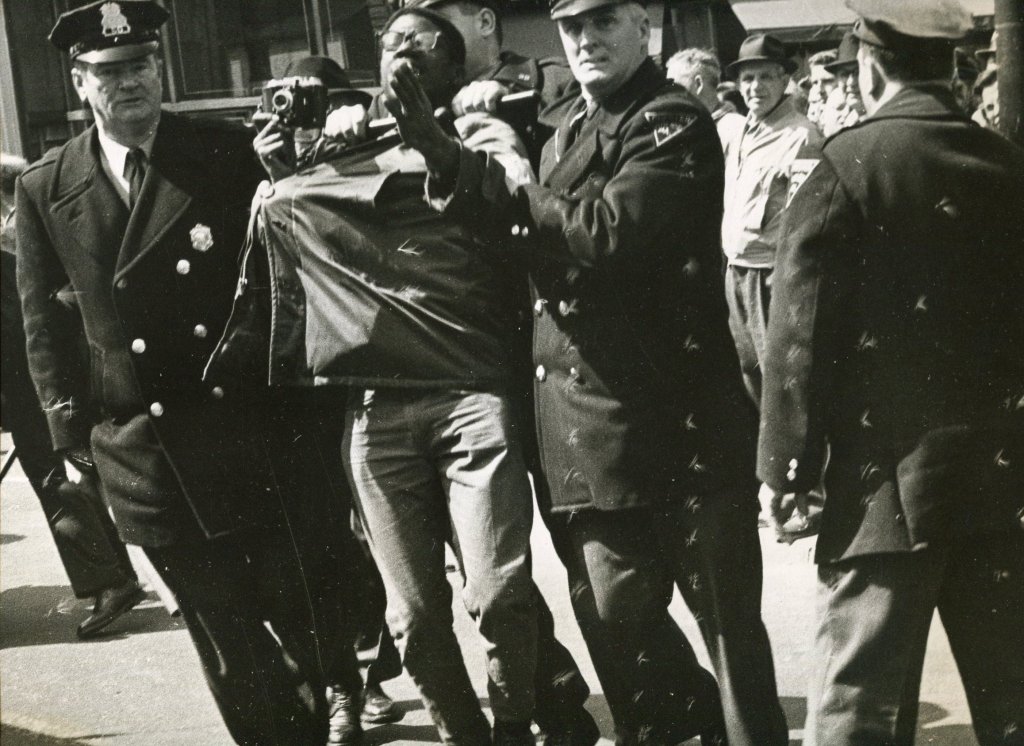
Photo courtesy of the Delaware County Historical Society.
March 28, 1964, was another tense moment in the campaign, as demonstrations in downtown Chester drew attention to the conflict between protesters and police. The Pennsylvania Supreme Court’s decision in Pennsylvania Human Relations Commission v. Chester School District later recorded aspects of the dispute over racial discrimination in the schools, showing how the struggle also continued through legal channels.
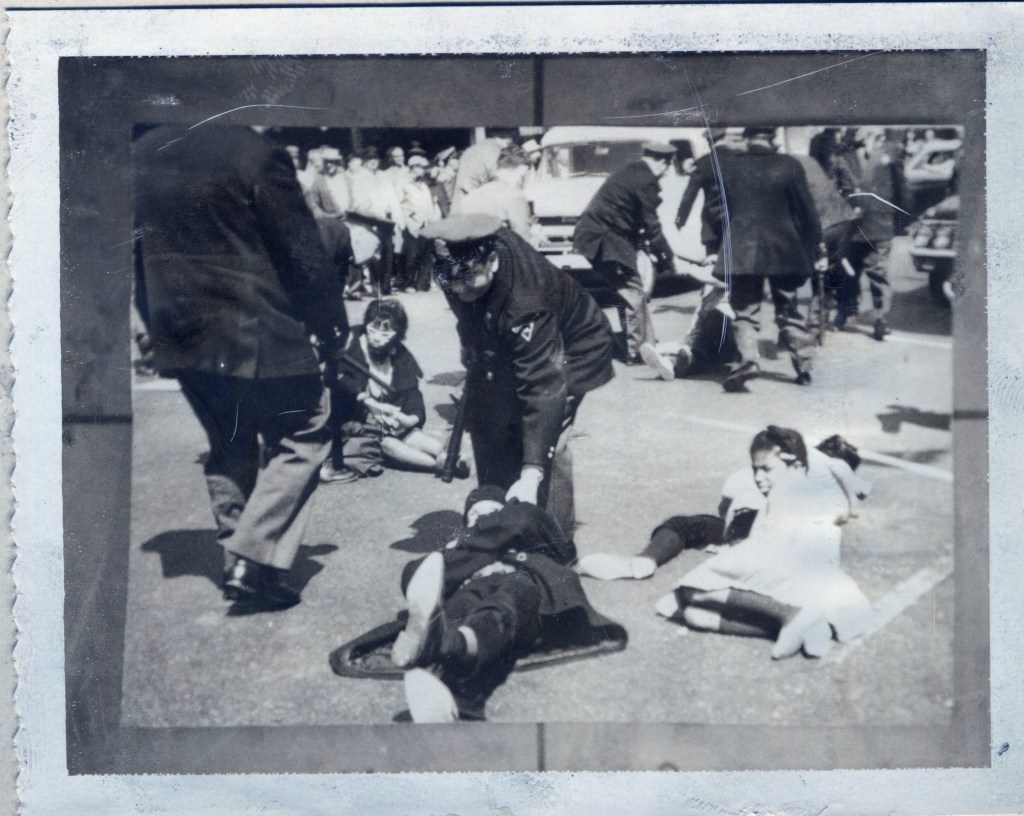
Photo courtesy of the Delaware County Historical Society.
The interviews at the Delaware County Historical Society also brought the story back to the city itself. Paul reflected on Chester’s growth and why people continued to make their lives there. That local perspective matters because the school protests were not just a series of demonstrations in old photographs. They were families pushing for better conditions for their children in the city they called home.
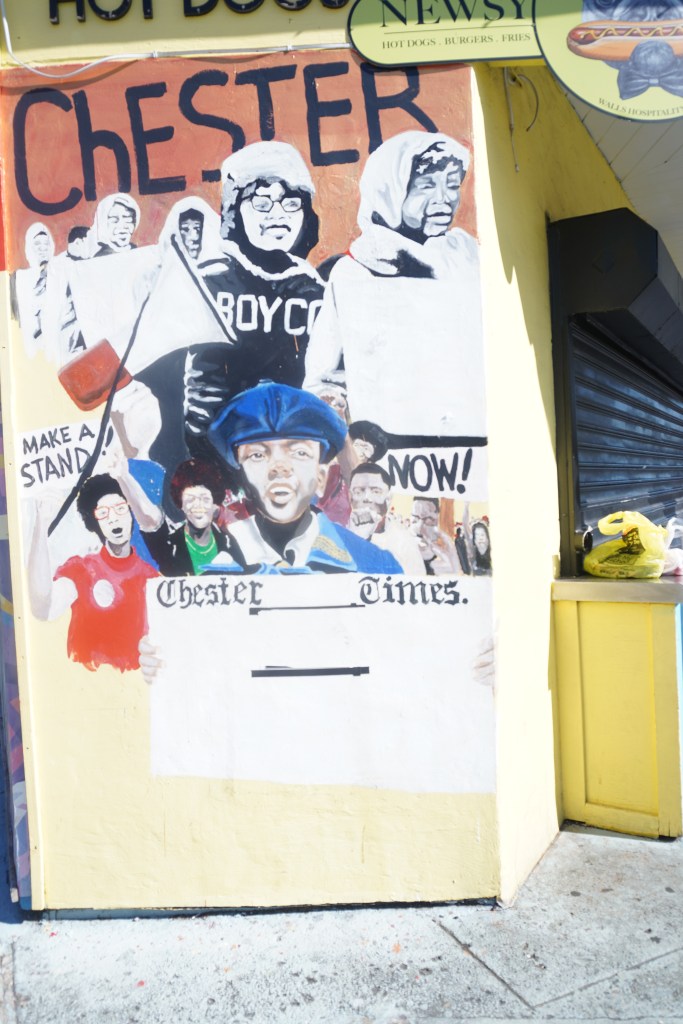
Photo by Terrence J. Brown Jr.
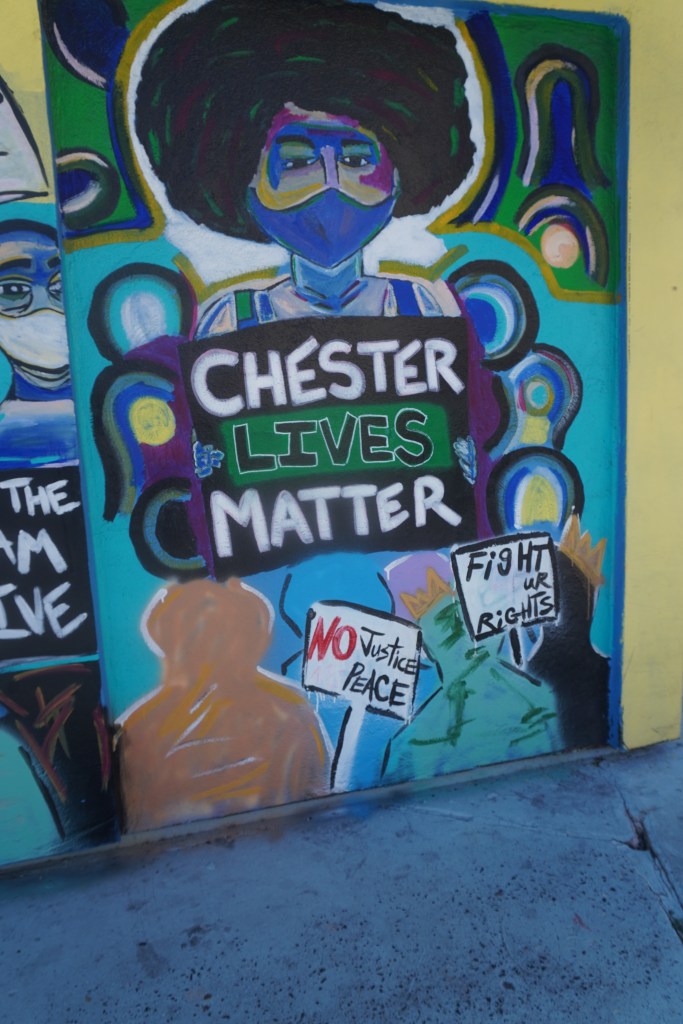
Photo by Terrence J. Brown Jr.


Leave a Reply